
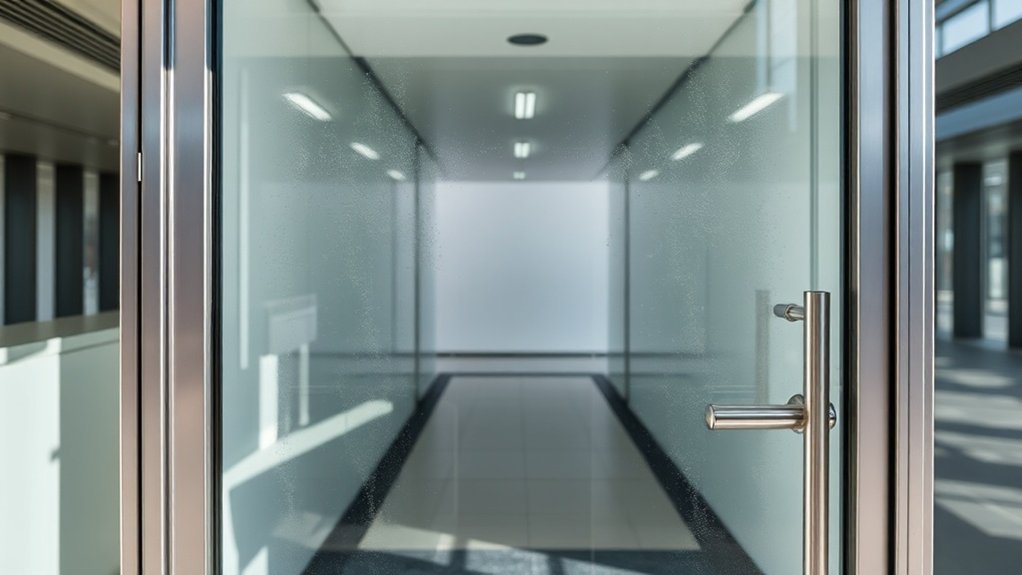
Takeaways
- Emergency safety glass is essential for fire exits, security doors, and impact-prone areas in Hammersmith and Fulham.
- Types available include polycarbonate and laminated glass, customizable to meet local safety standards.
- Installation must comply with Hammersmith and Fulham building regulations to ensure safety and legal compliance.
- Regular inspections and maintenance are vital to detect damage and maintain safety standards.
- Purchase options range from local hardware stores to specialized suppliers, with costs typically between £50 and £200 per pane.
What Is Emergency Safety Glass and Why Is It Important in Hammersmith and Fulham?
Emergency safety glass is a specialized type of glazing designed to prevent injury and maintain security in critical situations. Its glass safety benefits include shattering into small, blunt fragments or remaining in place under impact, reducing risk of injury. This makes it essential for emergency glass applications such as fire exits, security doors, and hazardous areas. In Hammersmith and Fulham, where building safety regulations are strict, this glass provides significant protection during accidents or emergencies. Its unique construction enhances structural integrity, ensuring it remains intact or breaks safely. Using emergency safety glass not only complies with safety standards but also minimizes damage and injury risks. As a result, understanding its importance is essential for maintaining safety and security in high-risk environments.
What Types of Emergency Safety Glass Are Available Locally?
Local options for emergency safety glass include polycarbonate safety glass, known for its high impact resistance and lightweight properties, and laminated glass, which offers enhanced security through its layered construction. Both types are designed to meet specific safety standards and are suitable for different applications. Understanding their technical differences helps guarantee you select the appropriate safety solution for your needs.
Polycarbonate Safety Glass Options
Polycarbonate safety glass is a popular choice for emergency applications due to its high impact resistance and durability. Its polycarbonate durability guarantees it withstands significant force without cracking or shattering, making it ideal for high-risk environments. Impact resistance is a defining feature, allowing it to absorb energy from impacts effectively. Locally available options include various thicknesses and coatings tailored to specific needs.
| Feature | Specification |
|---|---|
| Thickness | 3mm - 12mm |
| Impact Resistance | High, withstands severe impacts |
| UV Protection | Optional coatings available |
| Fire Resistance | Meets safety standards |
| Customization | Size and shape tailored to project |
These options enable you to select a polycarbonate safety glass that maximizes safety and meets local building codes.
Laminated Glass Variations
Laminated safety glass offers a versatile range of variations suitable for different emergency application needs. These variations include laminated glass with different interlayer materials, such as polyvinyl butyral (PVB), ethylene-vinyl acetate (EVA), and ionoplast interlayers, each providing distinct laminated benefits like enhanced security, impact resistance, and acoustic insulation. You can select from clear, tinted, or reflective options to suit specific laminated applications, such as storefronts, partitions, or emergency exit panels. The laminated benefits include increased safety during breakage, as the glass remains adhered to the interlayer, reducing injury risk. Variations also extend to thickness and layering configurations, allowing customization for load-bearing or high-security requirements, ensuring the glass meets precise safety standards for emergency use in Hammersmith and Fulham.
What Are the Legal Requirements for Safety Glass in Your Area?
Are you aware of the specific legal requirements governing safety glass in Hammersmith and Fulham? Compliance regulations mandate adherence to established legal standards to guarantee safety and legal conformity. These standards specify:
- The use of safety glass in hazardous impact zones, such as doors and windows.
- The type of glass, like laminated or tempered, required for specific applications.
- Labeling protocols to verify compliance with safety regulations.
- Installation procedures aligned with building codes and safety standards.
Understanding these legal standards is essential to avoid penalties and guarantee occupant safety. Local regulations enforce strict compliance, and failure to meet these requirements could lead to legal liabilities. Always verify that your safety glass installation adheres to the mandated compliance regulations for your area.
How Do You Choose the Best Safety Glass for Your Home or Business?
How can you determine the most suitable safety glass for your home or business? Start by evaluating safety glass features such as impact resistance, thickness, and compliance with local standards. Consider the specific risks associated with your location—e.g., high-traffic areas or exposure to vandalism require tougher glass options like laminated or tempered glass. When selecting safety glass, prioritize durability and the ability to absorb or deflect force. Additionally, follow glass installation tips to guarantee proper fitting and secure installation, which are critical for safety. Properly installed safety glass minimizes injury risks during breakage. Always consult manufacturer specifications and local building regulations to confirm your choice meets all safety and legal requirements for your property.
What Is the Typical Process for Installing Emergency Safety Glass?
The installation process for emergency safety glass involves several precise steps to guarantee proper fit and maximum safety. First, a thorough assessment of the existing structure is conducted to confirm compliance with safety regulations. Next, the glass is measured accurately to match the designated opening. Third, the appropriate installation techniques are employed, including secure framing and proper sealing to prevent gaps. Finally, the installer verifies the stability and adherence to safety standards through rigorous testing. Each step emphasizes adherence to safety regulations and precise execution to confirm durability and safety. Proper training and experience are essential for installers to perform these tasks effectively, minimizing risks and confirming the safety of occupants.
How Can You Maintain and Inspect Your Safety Glass Safely?
Regular visual inspections are essential to identify cracks, chips, or other damage that could compromise safety. It’s important to schedule professional maintenance checks periodically to guarantee the integrity of the glass. Properly maintaining and inspecting your safety glass minimizes risks and guarantees compliance with safety standards.
Regular Visual Inspections
To guarantee safety glass remains effective, conducting consistent visual inspections is essential. Employ visual inspection techniques that adhere to safety glass standards, ensuring any damage is promptly identified. Focus on these key steps:
- Examine the entire surface for cracks, chips, or delamination.
- Check the edges for signs of deterioration or separation.
- Assess the glass for discoloration or clouding that could indicate weakening.
- Document any irregularities, noting their size and location for future reference.
These methods help maintain the integrity of emergency safety glass. Regular inspections should be performed with adequate lighting and, if necessary, magnification tools. Adhering to safety glass standards guarantees early detection of issues, preventing potential failures and ensuring occupant safety.
Professional Maintenance Checks
Engaging professional maintenance checks is essential for guaranteeing the ongoing safety and integrity of emergency safety glass, as trained technicians possess the expertise and specialized tools necessary to identify issues that may not be immediately apparent through routine visual inspections. Regular inspections guarantee the safety glass benefits are maintained and help determine the appropriate maintenance frequency. During these checks, technicians assess for cracks, delamination, or other damages that could compromise safety. Proper documentation and timely repairs extend the lifespan of the safety glass and prevent potential hazards. To maximize safety, establish a maintenance schedule based on usage and environmental factors. Below is a typical inspection checklist:
| Inspection Aspect | Key Focus Area |
|---|---|
| Visual Damage | Cracks, chips, or clouding |
| Structural Integrity | Frame stability, seal condition |
| Compatibility | Guaranteeing safety glass benefits remain intact |
| Repair & Replacement | Timely addressing of defects |
Where Can You Buy Emergency Safety Glass and How Much Does It Cost?
Where can you purchase emergency safety glass in Hammersmith and Fulham, and what are the typical costs involved? You’ll find several options through emergency glass suppliers specializing in safety solutions. Costs depend on glass type, size, and supplier, with standard glass pricing options varying accordingly.
- Local hardware stores: Offer basic emergency safety glass at competitive rates.
- Specialty safety suppliers: Provide custom-cut, high-performance glass with precise pricing.
- Online suppliers: Enable quick ordering, often with transparent glass pricing options.
- Commercial glazing companies: Deliver tailored solutions with detailed quotes.
Expect prices to range from approximately £50 to £200 per pane, depending on specifications and supplier policies. Always confirm glass pricing options and verify compliance with safety standards before purchase.
Frequently Asked Questions
How Long Does Emergency Safety Glass Typically Last Before Replacement?
Emergency safety glass typically lasts between 5 to 10 years, depending on factors like exposure to weather, UV rays, and impact. You should monitor for replacement indicators such as cracks, fogging, or visible damage, which compromise its integrity. Regular inspections are essential, as deterioration beyond these signs can reduce glass longevity and effectiveness, necessitating prompt replacement to guarantee safety and compliance with building regulations.
Are There Specific Safety Glass Standards Unique to Hammersmith and Fulham?
In Hammersmith and Fulham, safety glass standards are like a finely tuned instrument, ensuring safety compliance. Local regulations align with UK-wide standards, such as BS 6206, mandating specific impact resistance and breakage characteristics. While no unique standards exist solely for Hammersmith and Fulham, adherence to these regulations guarantees safety and legal compliance, making sure your emergency safety glass performs reliably when it’s needed most.
Can Emergency Safety Glass Be Customized for Non-Standard Window Sizes?
Yes, emergency safety glass can be customized for non-standard window sizes through tailored custom glass solutions. Manufacturers typically offer a variety of window size options, guaranteeing precise fitting and ideal safety. To achieve the best results, you should provide detailed measurements and specifications, allowing the supplier to produce safety glass that meets both your specific dimensions and safety standards. This customization guarantees seamless integration and reliable protection.
What Emergency Situations Most Commonly Require Safety Glass Replacement?
Back in the day, safety glass was mainly used for castles—today, it’s essential in emergencies. Common situations requiring safety glass replacement include accidental breakage and vandalism incidents, where glass shatters unexpectedly. These incidents compromise safety and security, necessitating prompt replacement to prevent injury or unauthorized access. You should consider swift action to replace safety glass after such events, ensuring compliance with safety standards and maintaining the integrity of your property.
Are There Any Government Incentives for Installing Safety Glass in Properties?
Currently, there are no specific government rebates for installing safety glass, but compliance with safety regulations is essential. Installing safety glass may qualify you for incentives under broader safety or building regulations, which aim to improve property safety standards. You should consult local authorities or building compliance agencies to determine if any grants or rebates are available for safety glass installation, ensuring your property adheres to current safety regulations.