
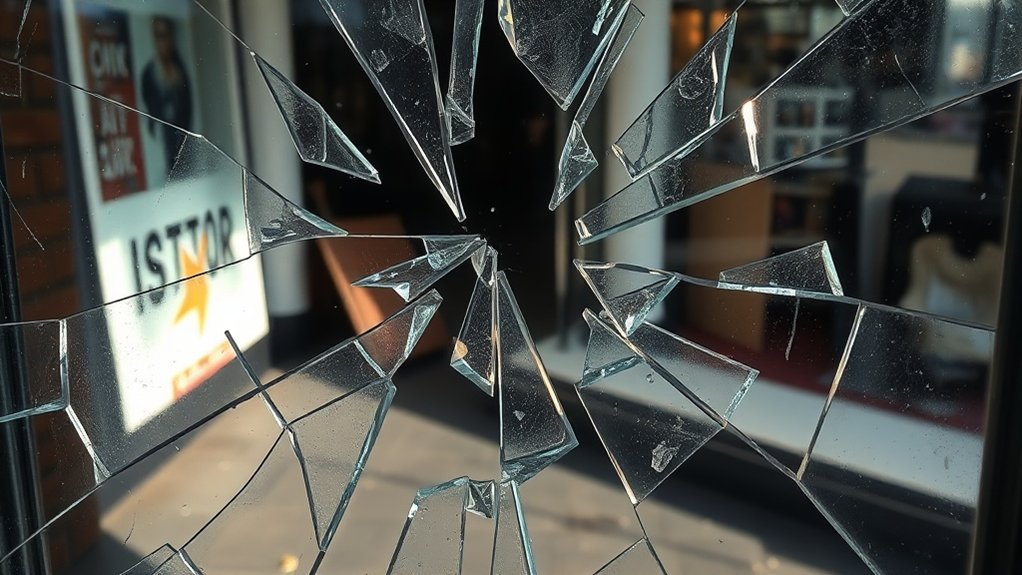
If you're dealing with burglary damage glazing in Lambeth, it’s essential to assess the extent of damage carefully, noting cracks, shattered panes, or forced frames. Older or low-security glass types are easier targets, so immediate securing through boarding or temporary glazing is critical. To prevent future incidents, reinforce frames, install security glass, and implement alarms. Effective repair, combined with community efforts and insurance options, can greatly cut your risk. Continuing this exploration reveals how to enhance your property's security thoroughly.
Takeaways
- Burglary damage glazing in Lambeth often involves forced entry through broken or shattered windows and glass panels.
- Immediate assessment includes inspecting for cracks, broken panes, and signs of forced entry to determine repair needs.
- Securing damaged glazing with emergency boarding and professional repairs minimizes further risks and property loss.
- Reinforcing glazing with security glass and upgraded frames can prevent future break-ins in Lambeth properties.
- Community involvement and neighborhood watch initiatives significantly enhance safety and reduce burglary risks related to glazing damage.
What Is Burglary Damage Glazing and How Does It Happen?
Burglary damage glazing refers to the broken or shattered windows and glass panels that occur as a result of forced entry during a break-in. Different glass types, such as standard annealed, laminated, or toughened glass, influence how easily the glass breaks and the extent of damage. For example, laminated glass tends to crack but remains intact, providing some resistance, while annealed glass shatters into sharp shards. Understanding burglary trends shows that intruders often target vulnerable glazing for quick access, especially in residential areas like Lambeth. They prefer older or low-security glazing because it’s easier to break. Recognizing these patterns helps in evaluating risk and choosing the appropriate glass type to prevent or mitigate damage during a break-in.
How Can You Spot and Assess Glazing Damage After a Break-In?
How can you effectively identify and evaluate glazing damage after a break-in? Start with thorough glazing inspection techniques, focusing on both visible and hidden damage. Look for break-in indicators such as shatter marks, cracks, or displaced glass panes. Examine the frame for signs of forced entry, like bent or broken seals, which may suggest additional stress. Use a flashlight to detect subtle fractures or smudges that indicate impacts. Assess the integrity of the glass—any loss of transparency or sharp edges signals compromised safety. Document all damage meticulously, noting locations and severity. This detailed evaluation helps determine if immediate repair or replacement is necessary, ensuring safety and preventing further security risks. Accurate assessment is essential in guiding timely, effective response measures.
What Are the Best Ways to Prevent Glass Break-Ins?
To effectively prevent glass break-ins, strengthening your windows is essential, starting with reinforcing the window frames to resist forced entry. Installing security glass can dramatically reduce the likelihood of shattering, while integrating alarm systems provides an immediate alert to potential intrusions. Combining these measures creates a layered defense that considerably enhances your property's security.
Reinforce Window Frames
Reinforcing window frames is a critical step in preventing glass break-ins, as sturdy frames can considerably reduce the likelihood of forced entry. Effective window reinforcement begins with selecting durable frame materials such as steel, aluminum, or reinforced uPVC, which provide higher resistance against tampering. The quality of frame installation also matters; properly secured frames minimize vulnerabilities at joints and fasteners. Additional measures include installing security bars or grilles, which bolster the structural integrity of the window opening. Reinforced frames should be tightly fitted and mounted with tamper-resistant screws to prevent removal. By focusing on high-quality materials and secure installation techniques, you greatly increase the difficulty for intruders attempting to force entry through window frames.
Install Security Glass
Installing security glass is a highly effective measure to prevent glass break-ins, as it considerably increases the resistance of windows and doors against impact and tampering. Using tempered glass enhances durability by undergoing controlled thermal treatment, making it harder to break and shatter into dangerous shards. Complementing this, applying security film adds an extra layer of protection by holding glass fragments together if broken, deterring intruders from quick entry. When selecting security glass, consider the thickness and specific toughness ratings to match your property’s vulnerability level. Combining tempered glass with security film optimizes impact resistance and minimizes damage potential. Proper installation, including secure framing and sealing, guarantees maximum effectiveness. These measures collectively create a formidable barrier, considerably reducing the likelihood of break-ins through glazing points.
Use Alarm Systems
While physical barriers like security glass are essential, integrating advanced alarm systems greatly enhances protection against glass break-ins. The alarm benefits include immediate detection of unauthorized entry, deterrence through audible alerts, and rapid response coordination with security personnel or authorities. Modern alarm features such as glass break sensors, motion detectors, and window contact alarms are tailored to recognize specific breach attempts, minimizing false alarms. These sensors analyze sound patterns or vibrations indicative of breaking glass, triggering alerts before a burglar can penetrate further. By combining these features with visual surveillance, you create a layered security approach. This strategic use of alarm systems doesn’t just alert you to a breach— it actively discourages intruders, reducing the likelihood of damage and increasing the overall safety of your property.
How to Quickly Repair and Secure Broken Glazing?
When dealing with broken glazing after a burglary, acting swiftly is essential to prevent further damage and guarantee security. Begin by securing the perimeter with emergency boarding, which provides immediate protection against intruders and the elements. This temporary measure is important until permanent repairs are possible. Next, assess the damage to determine whether temporary glazing can be applied; this involves fitting a clear, durable panel to restore insulation and security quickly. Make sure all materials used are weather-resistant and properly sealed to prevent drafts and further vulnerabilities. While emergency boarding offers a rapid solution, it’s critical to coordinate with professional glaziers for precise, long-term repairs. Timely action minimizes risk, preserves property value, and reinforces security against future breaches.
What Security and Insurance Options Are Available for Glazing Damage?
In the aftermath of glazing damage, understanding your security and insurance options is vital to effectively manage costs and safeguard your property. Implementing robust security measures, such as reinforced glazing, security films, or alarm systems, can deter future break-ins and enhance immediate protection. When it comes to insurance, review your policy to verify coverage for vandalism or burglary-related damages. Filing insurance claims promptly can help offset repair costs, but be sure to document the damage thoroughly with photographs and detailed descriptions. Some insurers may require proof of security upgrades or repairs for claim approval. Consulting with a professional or insurance advisor guarantees you understand your coverage limits and the necessary steps to maximize your claim, ultimately restoring security and financial stability efficiently.
Tips to Strengthen Your Property Against Future Break-Ins
After addressing immediate security concerns through insurance claims and repairs, the focus should shift to proactive measures that bolster your property’s defenses against future break-ins. Implementing targeted security upgrades, such as reinforced glazing, security bars, and high-quality locks, can greatly deter intruders. Additionally, consider installing alarm systems and motion-activated lighting to enhance perimeter security. Community awareness is equally essential; engaging with neighbors and local security initiatives fosters collective vigilance, making it harder for burglars to operate unnoticed. Regularly reviewing and updating security measures guarantees ongoing effectiveness, while visible enhancements signal that your property is well-protected. Combining physical security upgrades with community involvement creates a thorough barrier, reducing the likelihood of future break-ins and increasing overall safety.
Frequently Asked Questions
How Long Does It Typically Take to Repair Burglary Damage Glazing?
Typically, repairing burglary damage glazing takes between a few hours to a couple of days, depending on the extent of the damage and available emergency response services. You should act quickly to minimize further risks, implementing preventive measures like reinforced glass or security films. Prompt repairs not only restore your property’s security but also help prevent future incidents, demonstrating the importance of swift action and thorough assessment in damage restoration.
Are There Specific Glass Types More Resistant to Break-Ins?
Think of your glass as a fortress wall; laminated and tempered glass are your best guards. Laminated glass, with its interlayer, holds shattered pieces together, making it highly resistant to break-ins. Tempered glass, on the other hand, crumbles into small, blunt pieces when broken, discouraging intrusion. Both types offer superior security, with laminated glass providing a higher resistance to forced entry, making them ideal choices for vulnerable windows.
What Are the Costs Associated With Glazing Repairs After a Burglary?
The costs of glazing repairs after a burglary depend on several cost factors, including glass type, window size, and the extent of damage. Repair options vary from simple pane replacements to more complex repairs involving reinforced or security glazing. High-security glass and custom fittings tend to increase expenses, while DIY repairs are cheaper but risk improper installation. Evaluating these factors helps determine the most effective and economical repair approach for your situation.
Can Glazing Damage Be Covered Fully by Insurance?
Insurance policies vary, so whether glazing damage is fully covered depends on your specific plan and coverage limits. You should review your policy’s terms related to vandalism or burglary, and understand the claim processes involved. Some policies may cover all repair costs, while others might require you to pay deductibles or have coverage caps. Carefully assess your policy details to determine the extent of coverage for glazing repairs after a burglary.
How Often Should Security Glass Be Inspected for Vulnerabilities?
You should inspect security glass regularly—at least quarterly—to identify vulnerabilities promptly. This consistent inspection frequency guarantees that security measures remain reliable, preventing potential breaches. During these inspections, look for cracks, chips, or any signs of wear that could compromise the glazing's integrity. An analytical, detailed approach helps maintain maximum security, safeguarding your property effectively against burglaries or damage, and guaranteeing your security measures stay robust and resilient over time.