
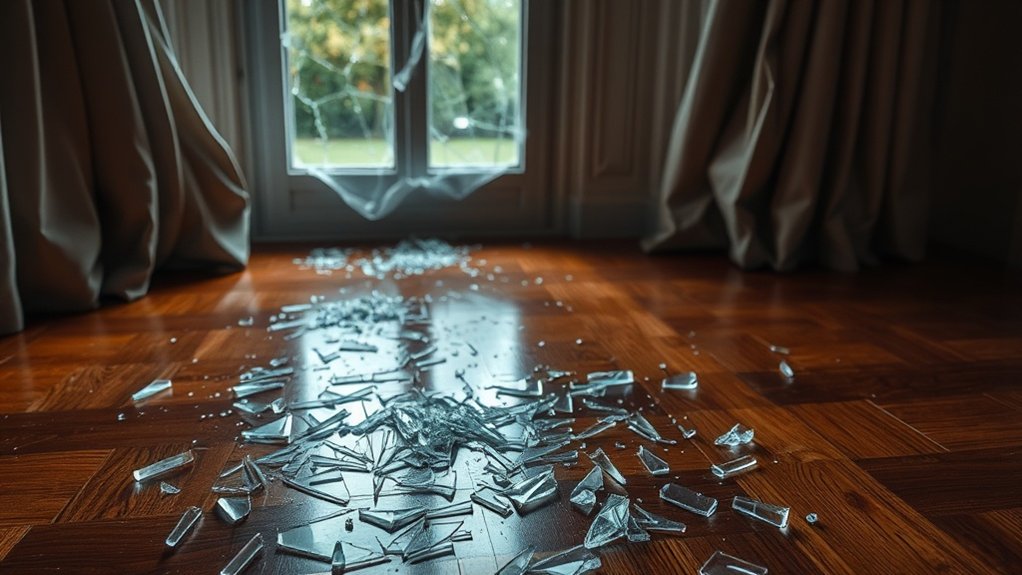
Burglary damage to glazing in Kensington and Chelsea often involves forced entry through shattered windows or glass panes, compromising your property's security. Typical damage includes cracks, chips, and shattered sections, which can result from the use of impact tools or force. To protect your property, consider reinforced glazing, security films, and physical barriers like grilles or shutters. Understanding these measures can help you better secure your space—exploring further will reveal how to bolster your defenses effectively.
Takeaways
- Burglary often causes glass breakage in residential and commercial properties in Kensington and Chelsea, impacting security and property value.
- Identifying damage involves inspecting cracks, shattered glass, and frame integrity to assess security risks.
- Reinforced glazing and security films can significantly reduce the risk of glass damage during break-ins.
- Immediate repair and upgrading security measures post-incident help prevent future burglaries in the area.
- Community awareness and security systems are essential for enhancing protection against glazing-related burglary damage.
What Is Glazing Damage From Burglary and Why Is It a Concern?
Glazing damage resulting from burglary refers to the destruction or impairment of window and glass installations during a break-in attempt. Different glazing types, such as laminated, toughened, or double-glazed units, have varying resistance levels and vulnerabilities. Understanding these distinctions is vital for effective burglary prevention. For instance, laminated glass offers higher security due to its ability to withstand forced entry, whereas standard single-pane glass is more easily shattered. Damage to glazing not only compromises the physical security of a property but also increases the risk of further intrusion. It also leads to increased repair costs and potential security lapses. Proper selection of glazing types, combined with reinforced frames and security measures, is essential for minimizing burglary risks and safeguarding property.
How Can You Spot Glazing Damage After a Break-In?
How can you effectively identify glazing damage after a break-in? The key is to perform thorough glazing inspection techniques to detect signs of vulnerability. First, visually assess the glass for cracks, chips, or shattered sections, which are immediate indicators of damage. Second, check the frame for looseness, warping, or misalignment, as these can compromise security. Third, look for subtle signs like smudged or disturbed sealants around the window, which suggest forced entry or tampering. Accurate identification relies on understanding common signs of vulnerability and applying systematic inspection methods. Prompt detection allows for swift repairs, preventing further security risks or glass failure. Regular glazing inspections are essential for maintaining safety and safeguarding your property after a break-in.
Common Types of Glazing Damage Caused by Burglars
Burglars often cause glazing damage that includes broken windows and damaged frames, compromising both security and structure integrity. Shattered glass patterns can vary, indicating different methods of forced entry. Recognizing these specific damage types helps in evaluating the extent of the breach and planning effective repair strategies.
Broken Windows and Frames
- Material integrity: Poor-quality frames are prone to breakage under force, reducing overall security.
- Installation precision: Improperly fitted glazing weakens the bond between glass and frame, increasing breakage risk.
- Maintenance neglect: Deteriorating frames due to weathering or corrosion diminish structural resilience.
Shattered Glass Patterns
Shattered glass patterns provide essential insights into the methods and force applied during a break-in, serving as forensic indicators of glazing damage caused by burglars. Recognizing specific shattered patterns can reveal whether the damage resulted from blunt force, targeted prying, or rapid breakage. Typical patterns include radial cracks radiating from the impact point and concentric fractures that indicate the glass’s response to applied force. These patterns disrupt the original glass aesthetics, often creating irregular, spider-web-like formations. Analyzing shattered patterns allows you to determine the sequence of damage and assess the tools used. Understanding these forensic indicators helps in both investigation and tailored glazing repairs, ensuring that subsequent installations restore both security and visual integrity.
How to Protect Your Windows and Glass From Break-Ins
Securing your windows and glass installations is vital to deter break-ins and minimize damage. Implementing robust window security measures and advanced glass protection is imperative. Consider these three strategies:
- Reinforced Glass: Install laminated or impact-resistant glass to withstand forced entry attempts.
- Security Films: Apply high-strength security films that hold glass together if shattered, delaying intruders.
- Physical Barriers: Use window bars, grilles, or shutters to add an extra layer of physical security.
These measures enhance overall glass protection and act as strong deterrents to intruders. Prioritizing technical security solutions guarantees your property remains safe, reducing vulnerability to break-ins and damage while maintaining integrity against forced entry.
Best Security Glass and Reinforcements for High-Value Properties
For high-value properties, selecting the right security glass and reinforcement methods is critical to providing maximum protection against sophisticated intrusions. Impact-resistant glass combined with specialized security film greatly enhances barrier strength, deterring forced entry. These solutions are engineered to withstand high-impact forces and prevent shattering, maintaining security even under attack. Reinforcements like laminated glass or polycarbonate layers further augment impact resistance, creating a formidable obstacle for intruders. Properly selected security glass integrates advanced materials designed for durability and resilience.
| Feature | Benefit |
|---|---|
| Security Film | Adds impact resistance, prevents shattering |
| Laminated Glass | Enhances strength, delays forced entry |
| Polycarbonate Layers | Superior impact resistance, high durability |
| Reinforced Frames | Supports security glass, resists forced removal |
Repairing and Replacing Glazing After a Break-In: What You Need to Know
When a break-in occurs, prompt and proper repair of the damaged glazing is essential to restore security and prevent further vulnerabilities. Immediate action minimizes risk and guarantees compliance with glazing insurance requirements. Prioritize emergency repairs to secure the premises quickly, which may involve temporary boarding or boarding-up services. When selecting replacement glazing, consider security-rated options that meet or exceed industry standards. Key steps include:
- Assess damage to determine if emergency repairs are necessary.
- Coordinate with professionals experienced in glazing insurance claims to facilitate coverage.
- Implement durable, security-enhanced replacements that deter future break-ins.
Understanding these steps guarantees your property remains secure and minimizes downtime. Properly handled, repairs not only restore safety but also uphold your insurance coverage and long-term security strategy.
How Local Security Initiatives Help Reduce Glazing Damage Risks
Local security initiatives play an essential role in proactively reducing the risk of glazing damage caused by break-ins and vandalism. By fostering community engagement, residents and businesses collaborate with local authorities to implement targeted crime prevention strategies. These initiatives often include security audits, enhanced surveillance, and the distribution of security hardware such as shatter-resistant glazing or security film. Community patrols and neighborhood watch programs further deter offenders, reducing the likelihood of glazing damage during break-ins. The table below highlights key components of effective security initiatives:
| Initiative Type | Impact |
|---|---|
| Community engagement | Builds trust, enhances surveillance, deters crime |
| Crime prevention programs | Educates residents, promotes security measures |
| Security hardware | Reinforces glazing, reduces vandalism risk |
| Surveillance enhancements | Provides real-time monitoring, quick response |
| Neighborhood patrols | Increases visible presence, discourages offenders |
These strategies collectively mitigate glazing damage risks in Kensington and Chelsea.
Frequently Asked Questions
What Are the Legal Requirements for Replacing Damaged Glazing?
When replacing damaged glazing, you must adhere to legal considerations and comply with glazing standards. This involves ensuring the new glass meets safety regulations, such as BS 6262 or similar standards, and obtaining necessary building regulations approval if applicable. You should also verify that the glazing is properly installed by qualified professionals to prevent future issues. Failing to meet these legal requirements can result in penalties or safety hazards.
How Long Does It Typically Take to Repair Glazing Damage?
The repair duration for glazing damage typically ranges from a few hours to a couple of days, depending on the extent of the damage and the glazing materials used. If replacement involves standard glass, it can often be completed within a day. However, specialized glazing materials or complex installations may extend the process. Timely assessment by a professional guarantees minimal disruption and assures that the repair adheres to safety and quality standards.
Are There Insurance Policies That Cover Burglary-Related Glass Damage?
Irony strikes again—you might think insurance coverage always includes burglary-related glass damage, but that’s not assured. Many policies do cover such damage, but you need to carefully review the claim process and policy details. To make sure you're protected, consult with your provider about specific coverage for glazing damage, and understand the claims procedure to expedite repairs. An informed approach minimizes delays and maximizes your insurance benefits.
Can Security Measures Prevent All Types of Glazing Damage?
Security measures can't prevent all glazing damage, but advanced security technology and robust glazing options greatly reduce risks. Reinforced glass, laminated safety glass, and security films enhance resilience against breakage, while alarm systems and surveillance deter intruders. Nevertheless, no security measure offers absolute protection. Implementing a layered approach combining high-quality glazing options with cutting-edge security technology is essential to minimize potential damage and guarantee maximum safety.
What Are the Environmental Impacts of Replacing Broken Glass?
Replacing broken glass impacts the environment mainly through waste generation and resource consumption. Opting for sustainable materials, like recycled glass or eco-friendly alternatives, minimizes ecological footprints. Additionally, choosing energy-efficient glazing reduces long-term energy consumption, lowering emissions. Proper disposal or recycling of old glass prevents landfill accumulation. Overall, environmentally conscious replacement strategies mitigate negative impacts, supporting sustainability and enhancing building energy performance.